


MEETING THE
MOMENT

“We know that lasting change takes time. Much of our philanthropy is focused on building the long-term foundations that allow people to thrive.
But life is not only lived in the long term. Emergencies, crises, and unexpected challenges arise that require compassion and response in the moment.
This portfolio is our family’s way of showing up when it matters most—meeting immediate needs today while staying committed to the future we want to help build.”
– The Beck Family
When urgent crises arise, whether in the USA or around the world, we believe in showing up.
Meeting the Moment is our emergency response fund, allowing us to act quickly and support communities facing immediate challenges.
We focus on identifying and funding organizations that not only provide critical relief but do so in a way that aligns with our values — engaging local communities, centering dignity, and building long-term resilience. Whether it’s responding to a natural disaster, supporting displaced families, or addressing urgent humanitarian needs, we prioritize partners who listen first, act with care, and help communities recover with strength and independence.
When the world shifts, we respond—not just with resources, but with intention.
Banner photo: World Central Kitchen

MEET OUR
GRANTEES
We partner with organizations that turn bold ideas into action, creating lasting impact in the communities they serve. Explore the organizations we support and the work they’re leading.


-
World Central Kitchen is first to the frontlines, providing meals in response to humanitarian, climate, and community crises.
-
In July 2026, we made an additional grant to World Central Kitchen in response to the devastating earthquakes that struck northern Venezuela on June 24. As displacement and need grew across Miranda, La Guaira, and Carabobo, WCK scaled its response rapidly — activating local restaurant partners and expanding to tens of thousands of meals a day for families who had lost homes and access to basic services. This grant reflects our continued confidence in WCK's ability to move fast and meet communities where they are, even amid a fast-evolving crisis.
In response to the Los Angeles wildfires early in 2025, we chose to support World Central Kitchen. We were drawn to them because they respond fast, provide culturally appropriate meals, and mobilize local chefs—infusing the local economy while feeding communities in crisis.
-
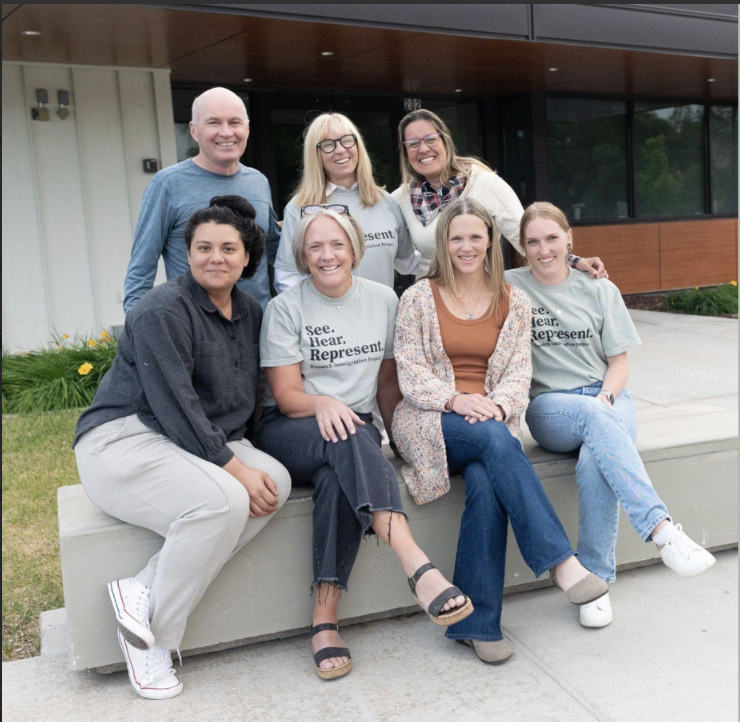
Wasatch Immigration Project provides free, high-quality legal services to immigrants and refugees in Utah, with a focus on family unity, safety, and long-term stability. Their work ensures individuals and families can navigate complex immigration systems with dignity, trusted support, and access to justice.
-
As heightened immigration enforcement in Utah has shifted from an acute crisis into a prolonged reality, local families continue to face sustained fear, confusion, and legal uncertainty. To support long-term stability, we supported the Wasatch Immigration Project with grants in 2025 and 2026. Their team provides essential, community-based legal services that help individuals understand their rights and remain connected to trusted support networks. We continue to invest in their calm, practical, people-first approach, ensuring families have reliable guidance through ongoing challenges.
-
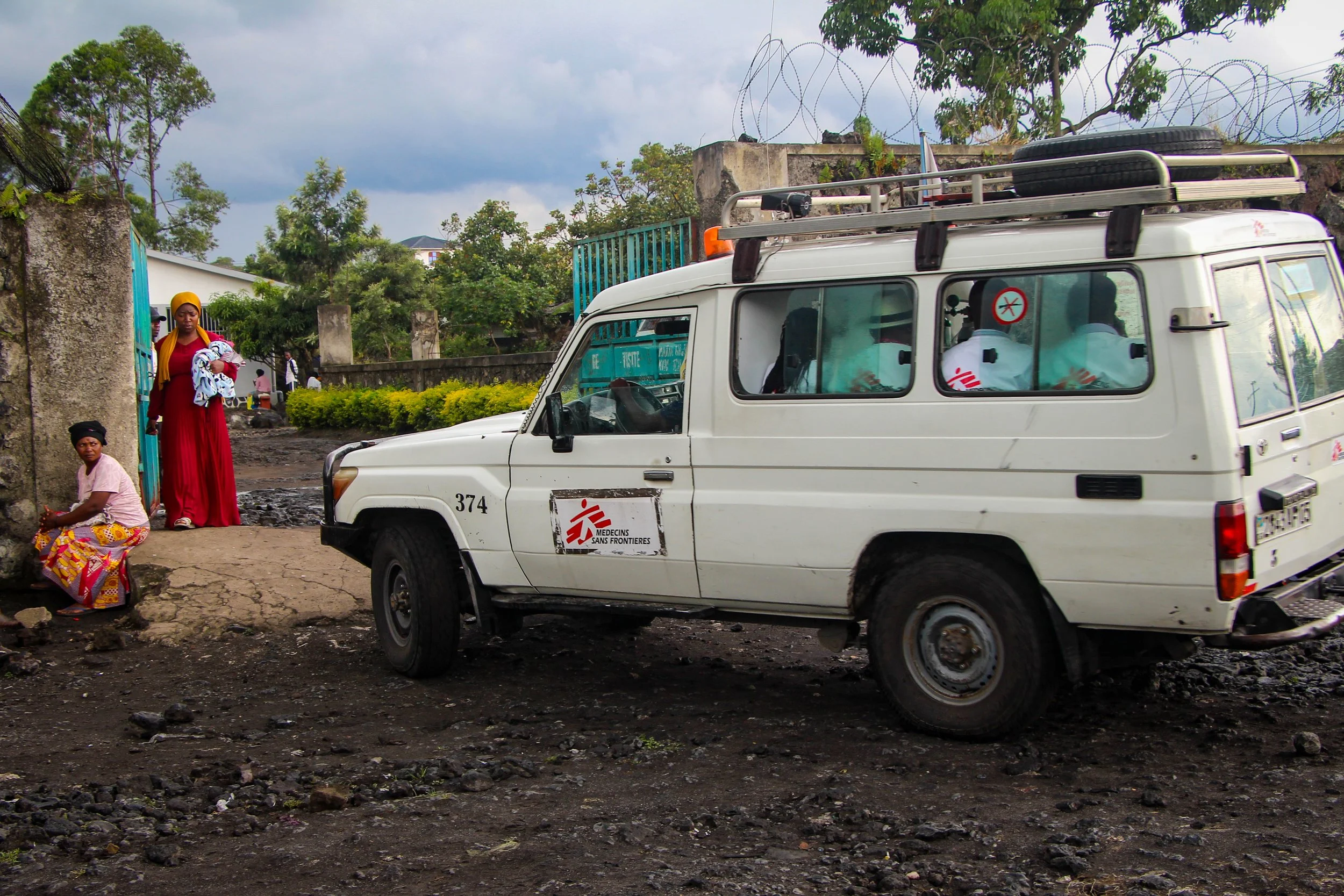
Doctors Without Borders delivers emergency medical care to people affected by conflict, epidemics, disasters, and exclusion from healthcare. Their independent, humanitarian approach ensures life-saving treatment reaches those most in need, even in the world’s most challenging environments.
-
As conflict in Sudan intensified and health facilities became overwhelmed or inaccessible, the need for emergency medical care grew dramatically. We chose to support Doctors Without Borders for their ability to operate in difficult conditions and deliver lifesaving treatment in places where very few organizations can work. Their steady presence and rapid response capacity ensured that families caught in crisis could still access essential care when it mattered most.

-
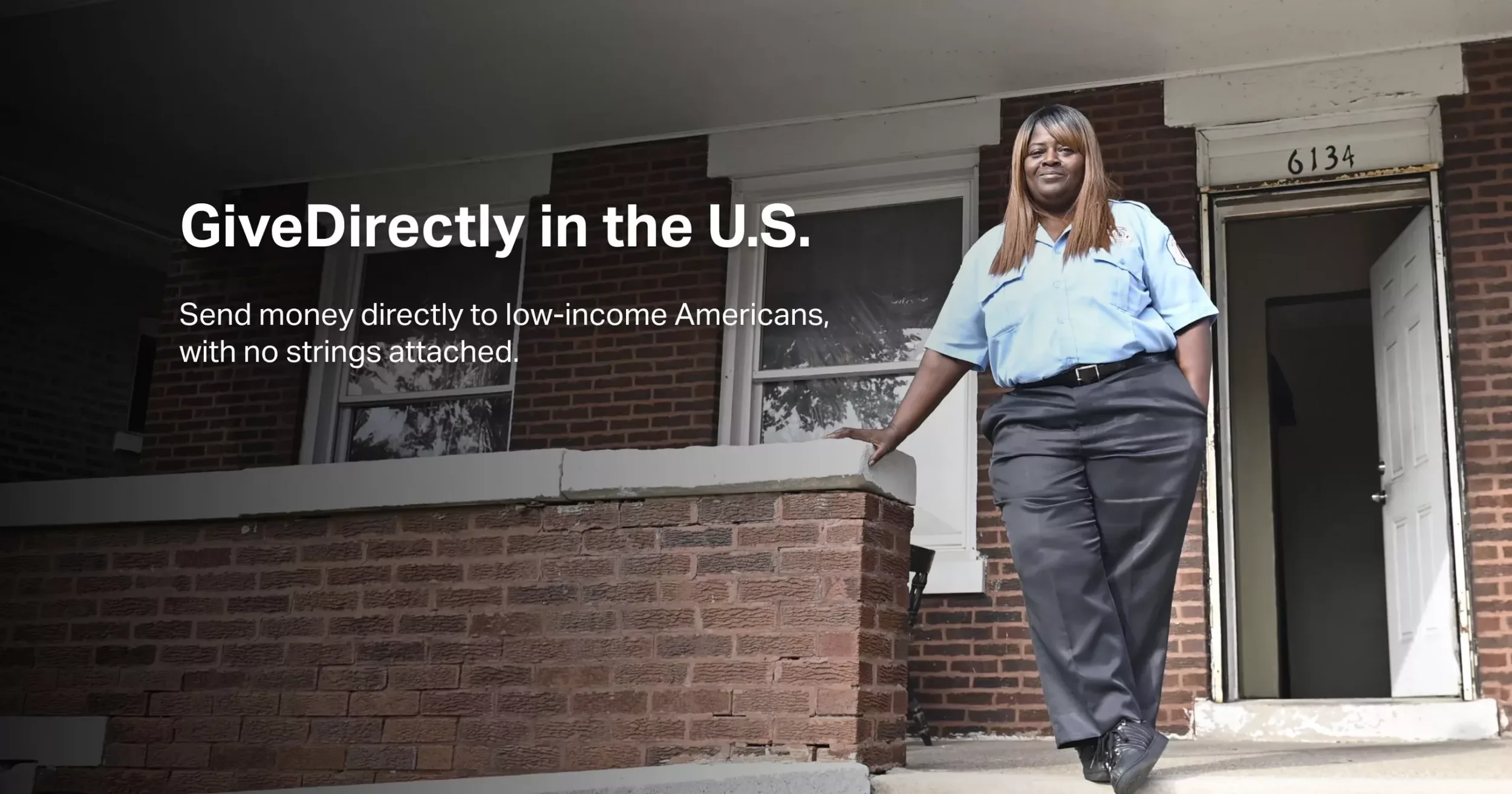
During the federal government shutdown in fall 2025, GiveDirectly launched a rapid SNAP response to provide direct cash assistance to individuals and families who temporarily lost access to food benefits. By delivering fast, flexible support during a period of acute disruption, the program helped households meet basic needs and maintain stability while federal systems were offline.
-
During the federal government shutdown, millions of households relying on SNAP benefits faced an unexpected interruption in essential food support. We chose to support GiveDirectly’s emergency cash response, which delivered funds directly onto families’ existing EBT cards so they could be used immediately. This approach preserved dignity and agency by removing the need to visit a food bank or find money for gas and allowing people to choose what their households needed most at a critical moment.